Ilana and Abbi are prime millennials, and you see that in the humor of Broad City, released in 2014. The show follows two young women navigating their twenties in New York City—through humor, hijinks, and deep friendship—in a way that mirrored their real lives at the time.
During the interview, I felt a wave of nostalgia for that kind of coming-of-age story—one where being young and dumb in a big city didn’t require a personal brand. Where connection wasn’t filtered through content. It got me thinking about the millennial tropes we love to mock: being “out of touch,” being too online, being obsessed with nostalgia itself. But of course they are. Millennials grew up mostly disconnected from social media—and then had to adapt to life under its spotlight. No one was posting their brunch or filming their wedding for viral content. TikTok didn’t exist. There was no algorithm whispering who you should be.
I started thinking about how my own digital life came of age. I was born in 1996 and got my first laptop in 2009—right on the edge of a cultural shift. My mom asked if I’d heard of Facebook, and we signed up for an account together. A lot of my friends did the same. At the time, I was completely obsessed with the internet. I lived for YouTube rabbit holes. I made my own videos. I loved browsing WikiQuote, copying song lyrics into word docs, watching fan edits of fictional couples I was in love with. But the platform that most defined my early online identity was Tumblr.
Tumblr was where aesthetics lived. Where communities you didn’t yet belong to felt within reach. Where you could be completely anonymous and still be deeply seen. I learned about travel and relationships through the lens of fandoms. I posted quotes, songs, photography, long rants about heartbreak and existential teenage angst. It was a diary, but one I left open for strangers.
I was thegirrlwho.
The girl who grew up playing in the woods of New Hampshire, in the city but also the country. Whose closest escapes were a gas station Dunkin’ a mile away or a wooded path with a babbling brook and endless trails to get lost in. I was thegirrlwho loved emo music, who pinned photos of Alexis Ren and dreamed of being part of a travel couple. Who posted her deepest thoughts and softest feelings for hundreds of followers who might never know her name. Tumblr gave me room to dream, to feel, to create without the pressure of likes, reach, or brand alignment.
Looking back, that version of the internet feels like a sacred space. Not perfect—but more honest. More raw. Less about performing and more about expressing. I think a part of that Tumblr girl still lives in how I approach social media today. I trust my gut when it comes to creative work. I feel most proud when I make something that makes me feel—and hope it resonates with someone else out there, like me. That’s always been my approach, whether I’m photographing a special life moment for a friend or crafting creative for a brand.
As much as I miss the slower, softer social media of my early internet days, I also recognize how deeply integrated these platforms have become in both my personal life and my career.
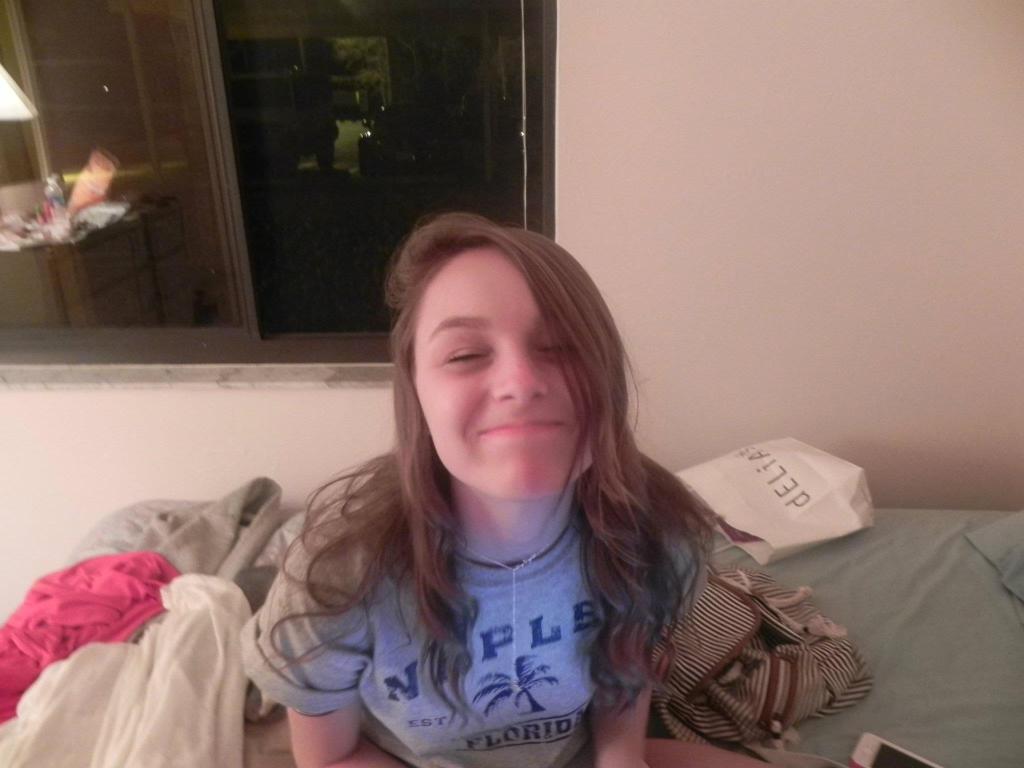
Today, I identify as a storyteller—and my platform is social.
I never set out to work in social media, but looking back, it was always the path I was meant to take. I use Instagram, TikTok, Facebook, LinkedIn, Reddit, Spotify, Partiful, even MerlinID—daily. I love watching people live and feel. I love when I can tell a story that leaves someone breathless, take a photo that makes someone swell with emotion, or create a TikTok that simply makes someone laugh.
But working in the creator economy isn’t without its contradictions. There are hundreds of thousands of dollars streaming across your screen at any given moment—trending products, viral influencers, sponsored content, all perfectly packaged. The stakes are higher. The algorithms shift daily. The race to stay relevant can be exhausting.
Still, I remain fascinated by human behavior, and social media is one of the most intimate windows into it we’ve ever had. It reflects our habits, our desires, our insecurities—and in the same breath, it shapes them. It creates patterns that didn’t exist before.
One of my favorite things is talking with other people who work in this world—about how the apps affect them. Whether they’re inspired, depleted, overwhelmed, obsessed, or a little bit of everything. That conversation feels more important now than ever.
How is your relationship with social media evolving? Are you curating, creating, connecting—or simply trying to keep up?
 Guest House
Leave a comment